
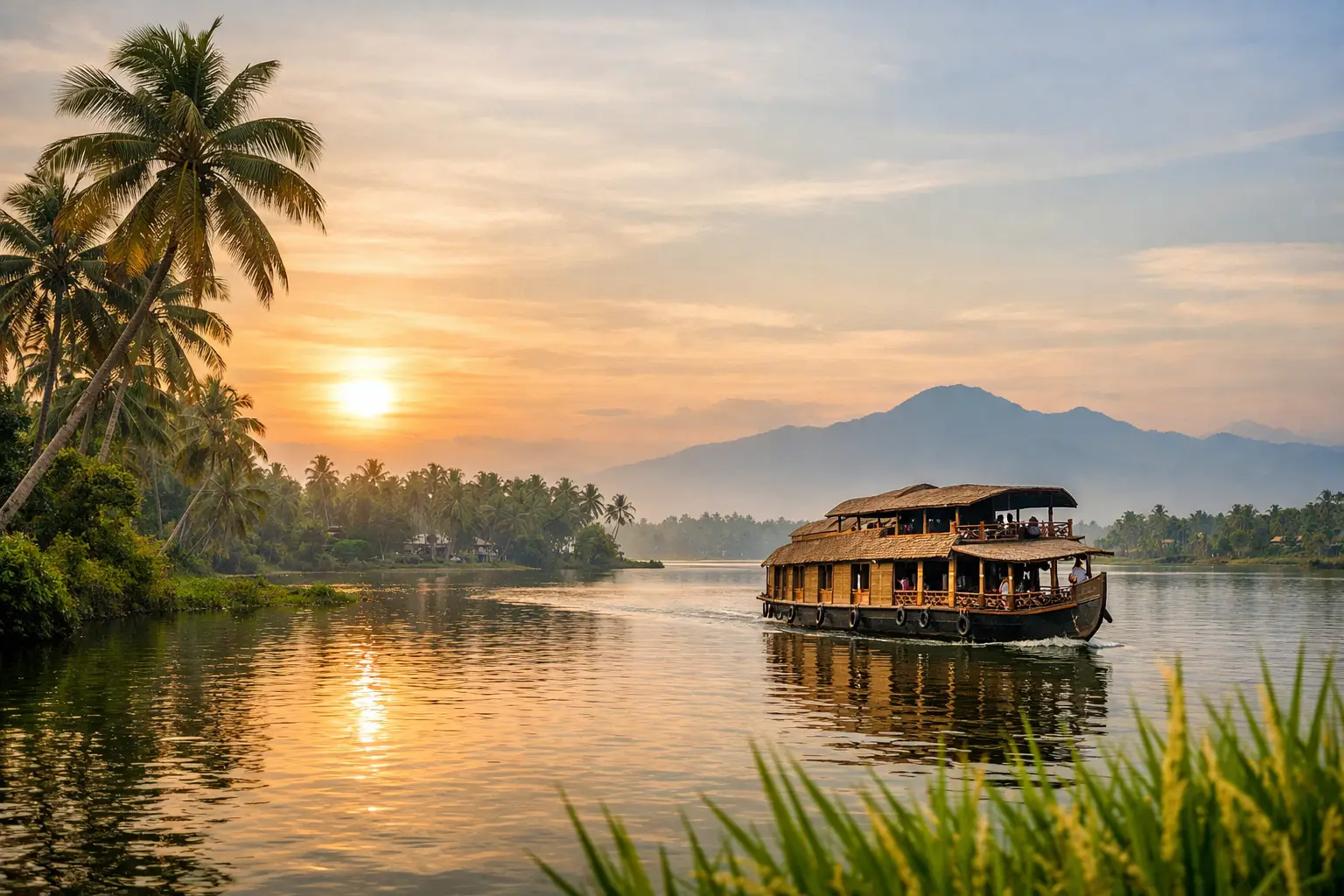
Kerala changes character with the season. A quiet backwater morning in December feels very different from a rain-washed Ayurvedic retreat in July or a misty hill station escape in September. If you are asking when is best time for Kerala, the honest answer is not one single month. It depends on the experience you want, the pace you enjoy, and whether you are traveling for sunshine, nature, culture, or rest.
That is what makes Kerala so rewarding. It is not a destination with only one “correct” window. It is a place where beaches, tea-covered hills, wildlife, houseboats, heritage towns, and wellness traditions all respond differently to the weather. Choosing the right time means designing the trip around what matters most to you.
When is best time for Kerala for most travelers?
For most international travelers, the best time to visit Kerala is from October to March. These months bring more comfortable temperatures, lower humidity than peak summer, and generally pleasant conditions for sightseeing, cruises, and longer day trips.
This is the season many people picture when they imagine a classic Kerala journey. The backwaters are calm and inviting, the hill stations are fresh and scenic, and coastal stays are easier to enjoy without intense heat. Families, first-time visitors, and travelers planning a multi-stop itinerary often find this period the most balanced.
That said, “best” does not always mean “best for everyone.” This is also the busiest travel season, especially around Christmas, New Year, and school holidays. Popular properties book early, premium experiences cost more, and the most in-demand routes need stronger advance planning.
Kerala by season
Winter and early spring – October to March
If your priority is comfortable touring, this is the strongest overall season. Days are warm rather than harsh, evenings can feel pleasantly breezy, and the landscape remains lush after the monsoon months. Destinations such as Alleppey, Kumarakom, Munnar, Thekkady, Fort Kochi, and Kovalam work especially well during this time.
This season suits travelers who want variety. You can combine a houseboat stay, tea plantation visit, cultural performance, beach time, and wildlife excursion in one itinerary without the weather becoming a major obstacle. It is also a good choice for older travelers or families with children who prefer smoother movement between destinations.
December and January are often the most popular months. They bring festive energy and highly favorable conditions, but they also require the earliest bookings. If you want similar comfort with slightly fewer crowds, late October, November, and February are often excellent choices.
Summer – April to May
Summer in Kerala is warmer, more humid, and not ideal for every traveler. Coastal areas can feel heavy in the afternoon, and sightseeing is better planned for the morning and evening. However, this does not make summer a bad time. It simply makes it a more selective one.
If you love hill stations, Munnar and Wayanad can still be deeply enjoyable in these months. Green slopes, cooler elevations, and quieter stays create a different kind of comfort. Summer can also work well for travelers seeking more value, shorter escapes, or slower itineraries centered on one or two destinations rather than constant movement.
This is also a season where good planning matters more. Well-chosen hotels, private transfers, flexible schedules, and realistic day plans can make a significant difference. For travelers who value space, lower seasonal pressure, and tailored pacing, summer can be surprisingly rewarding.
Monsoon – June to September
Monsoon is where Kerala becomes most atmospheric. The rain transforms the landscape into something vivid and deeply calming. Rivers swell, paddy fields brighten, forests feel alive, and the entire region takes on a softer rhythm.
For some travelers, this is exactly when is best time for Kerala. If your goal is wellness, reflection, Ayurveda, photography, or a more intimate relationship with nature, monsoon has a compelling appeal. Rainy-season travel can feel restorative rather than restrictive, especially when the itinerary is built around indoor comfort, shorter scenic drives, and immersive local experiences.
There are trade-offs. Outdoor plans may need adjustment. Beach time is less reliable, waters can be rough, and certain activities depend heavily on day-to-day conditions. Monsoon is not the best fit if your dream trip is nonstop sunshine and long coastal lounging. It is, however, a beautiful match for travelers who enjoy mood, greenery, and slower travel with purpose.
Best time based on the experience you want
For backwaters and houseboats
October through March is usually the easiest and most comfortable period for backwater journeys. The weather supports relaxed cruising, village views are clear and vibrant, and overnight stays feel more comfortable.
Monsoon backwater travel has its own charm, with dramatic skies and rich greenery, but it is more romantic for travelers who appreciate rain rather than those seeking classic fair-weather conditions.
For beaches
The beach season is strongest from November to March. Places like Kovalam, Varkala, and Marari are generally more enjoyable for swimming, sun, and laid-back coastal stays during these months.
April and May can still work if you are comfortable with heat. During the monsoon, the sea can be rough, and beaches become more about scenery and atmosphere than water activity.
For hill stations
Munnar, Wayanad, and Vagamon are appealing for much of the year, but each season creates a different mood. October to March offers crisp, comfortable exploration. Summer is also good if you want to escape hotter lowland areas. Monsoon brings extraordinary beauty, though mist and rain can reduce visibility and alter driving conditions.
For wildlife and nature
The cooler months from October to February are usually best for wildlife excursions and nature-based touring. Forest visits are easier, walking conditions are more pleasant, and the weather supports fuller days outdoors.
At the same time, monsoon gives Kerala’s landscapes a dramatic freshness that many nature lovers prefer. If your focus is scenery over guaranteed sightings, rainy season can be especially memorable.
For Ayurveda and wellness
Many wellness-focused travelers prefer the monsoon months. This is traditionally considered a supportive time for Ayurvedic therapies because the cooler, moist atmosphere can be more conducive to treatments and rest.
If your trip is meant to restore rather than rush, June through September deserves serious consideration. It is less about checking off landmarks and more about meaningful renewal.
Festivals and cultural timing
Kerala’s cultural calendar can also shape the best time to go. Onam, usually celebrated in August or September, is one of the state’s most significant festivals and brings floral decorations, festive meals, performances, and a strong sense of shared heritage. Temple festivals, local celebrations, and seasonal traditions also add texture across the year.
If culture is central to your trip, timing your visit around a festival can make the journey more memorable. The trade-off is that some periods require earlier reservations and more careful logistics. A well-planned itinerary helps preserve both authenticity and comfort.
So, when should you go?
If you want the easiest all-around answer, choose October to March. This is the best fit for first-time visitors, families, and travelers who want a smooth combination of backwaters, beaches, hill stations, heritage, and nature.
If you want better value, fewer crowds, and cooler mountain escapes, consider April or May with a carefully paced itinerary. If you are drawn to wellness, lush scenery, and a quieter, more reflective journey, June to September may be the most meaningful season of all.
The best Kerala trip is rarely about chasing a perfect weather chart. It is about matching the season to your style of travel. A thoughtfully designed itinerary can turn any of these windows into an unforgettable journey, whether you want sunshine and classic sightseeing or rain-soaked calm and cultural depth. With expert planning, even the trade-offs become part of the experience rather than a disruption.
If you are deciding when to travel, start with the feeling you want from Kerala, not just the forecast. The right season is the one that helps you experience the place with comfort, curiosity, and enough space to truly connect.