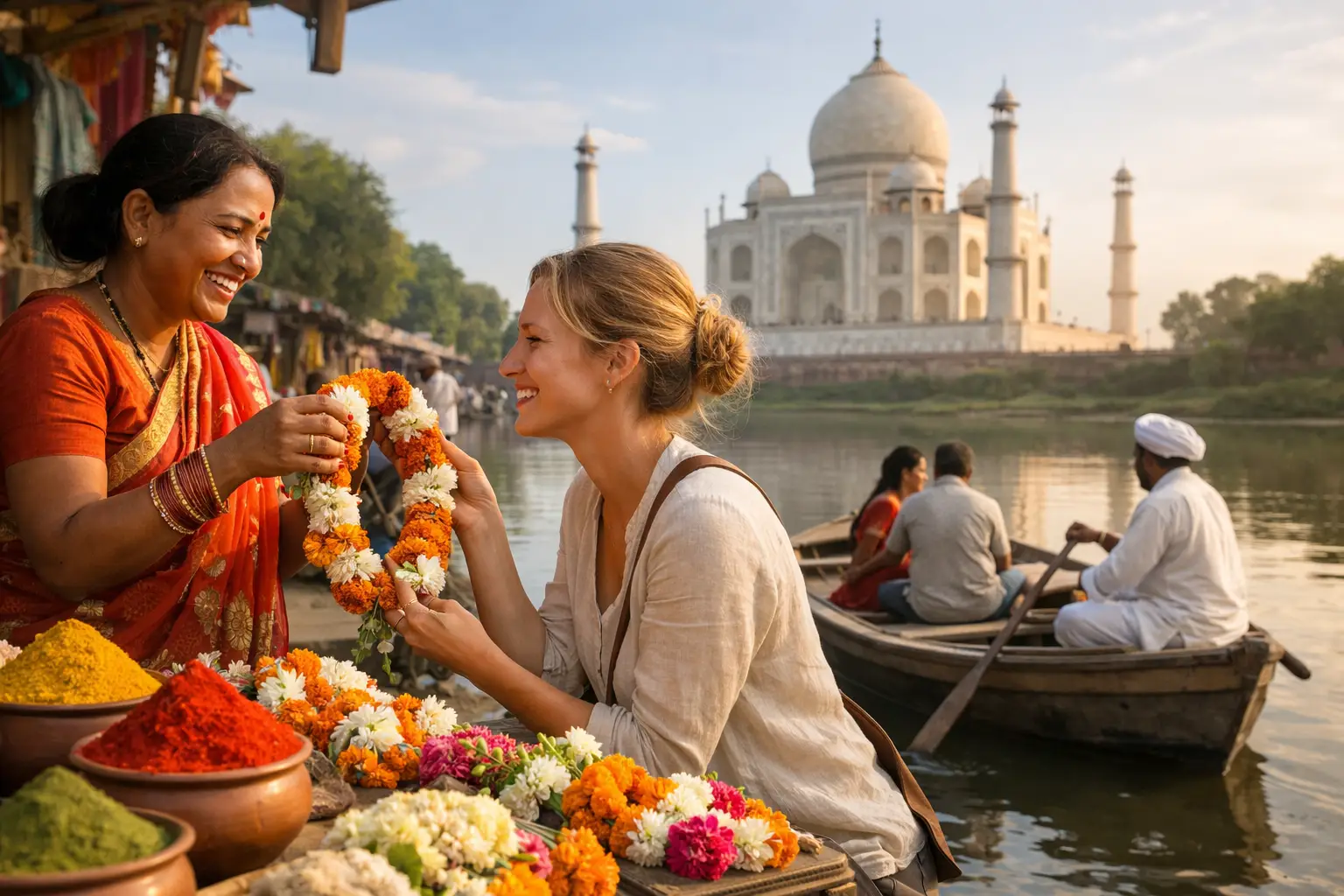
Some trips give you photos. The right India tour with local experiences gives you something harder to forget – the sound of temple bells at dawn, a home-cooked meal in a village kitchen, a conversation with an artisan whose work has shaped a community for generations. That difference matters, especially in a destination as layered, vibrant, and varied as India.
For many travelers, India is not a place to approach with a checklist mindset. It rewards curiosity, patience, and thoughtful planning. The most memorable journeys are rarely the ones packed with nonstop landmarks. They are the ones designed around real connection, where heritage, nature, food, and local life are part of the itinerary rather than an afterthought.
What makes an India tour with local experiences different
A standard tour often moves fast and stays on the surface. You see the monument, take the picture, and move on. A more meaningful journey creates space to understand the people, traditions, and landscapes that make each region distinct.
That can mean walking through a spice plantation with someone who knows the land by memory, joining a cooking session in a family home, watching traditional art forms in their cultural context, or staying in places where hospitality reflects the character of the region. These experiences do not need to feel rough or uncertain. In fact, when planned well, they are often more comfortable because they are better coordinated and more personal.
This is where expert travel design becomes valuable. India is vast, and every state has its own rhythm, cuisine, language, and customs. Local experiences should not feel randomly inserted for effect. They should fit the route, the season, the pace of travel, and the interests of the traveler.
Why local connection changes the trip
Travel becomes more memorable when it feels participatory. Watching Kerala’s backwaters from a boat is beautiful. Understanding how life moves along those waterways, how local families fish, farm, cook, and celebrate there, makes the experience fuller. The same is true in Rajasthan’s heritage towns, Tamil Nadu’s temple cities, or the hill regions of the north. Place becomes personal when local voices are part of the journey.
There is also an ethical dimension. When travel includes community-led activities, local guides, regional food traditions, and independently rooted stays, more of the value stays within the destination. Responsible tourism is not just about avoiding harm. It is about making choices that respect culture, support livelihoods, and help preserve what makes a place worth visiting in the first place.
That does not mean every traveler wants the same level of immersion. Some want full cultural engagement from morning to evening. Others prefer a balanced itinerary with private transfers, quality accommodations, and selected local moments woven into a more relaxed vacation. Both approaches can work. The best plan depends on comfort level, travel style, and how much depth you want in each destination.
Kerala is where local experiences feel especially natural
If there is one region where an India tour with local experiences comes together beautifully, it is Kerala. The state offers a rare mix of cultural richness, natural beauty, and approachable travel infrastructure. For first-time visitors to India, it often feels welcoming without feeling curated beyond recognition.
In Kerala, local experiences are not separate from the landscape. They are part of it. A backwater cruise is tied to village life. Ayurveda is connected to longstanding wellness traditions. Kathakali and Kalaripayattu are not just performances but living expressions of regional identity. Even the cuisine tells a story of coconut, spice, trade, faith, and geography.
A well-planned Kerala journey might combine Cochin’s layered history, Munnar’s tea country, Thekkady’s plantation culture, Alleppey’s waterways, and a beach stay on the coast. What makes it special is not only where you go, but how each stop is shaped. You might meet growers, cooks, artists, or hosts who offer a genuine window into daily life. That is often where the trip becomes unforgettable.
How to choose the right local experiences in India
Not every so-called authentic activity is meaningful. Some are created mainly for tourist consumption, while others are rooted in real community life. The difference usually comes down to context, quality, and intention.
Look for experiences that are region-specific rather than generic. A cooking session in Kerala should feel different from one in Jaipur, not just in food but in setting and story. The same goes for craft visits, performances, market walks, and village interactions. Local experiences should reflect the identity of the place you are visiting.
It also helps to choose trips where logistics are handled professionally. Real cultural access does not need to come with confusion. Transportation, timing, language support, safety, and accommodation quality all shape how enjoyable the experience feels. Travelers often underestimate how much smoother local engagement becomes when the planning is done well in advance.
A good itinerary also leaves room to breathe. If every day is overpacked, even wonderful experiences start to blur. India is best enjoyed at a pace that allows for surprise, conversation, and rest.
The role of comfort in meaningful travel
There is a common misconception that local travel experiences must be rustic to be authentic. That is not true. Comfort and cultural depth can absolutely belong in the same journey.
Many travelers want immersive travel without giving up well-chosen hotels, reliable drivers, clear communication, or thoughtful support before and during the trip. That is not a lesser form of travel. It is often what allows travelers to stay open, present, and engaged.
Families may need a slower pace and flexible activities. Older travelers may want fewer hotel changes and more guided support. Couples may prefer privacy with selected local encounters rather than a highly social itinerary. Diaspora travelers may want heritage-based experiences with time to reconnect personally. A tailored plan respects these differences instead of pushing one idea of authenticity on everyone.
Responsible travel should feel visible, not performative
Travelers are increasingly asking where their money goes and what impact their trip has. That is a positive shift. Still, responsible tourism should be more than marketing language.
A values-led India tour with local experiences should show its intentions clearly through practical choices – local partnerships, community benefit, cultural respect, environmentally aware operations, and experiences that do not turn people into attractions. Done well, this creates trust and deepens the travel experience itself.
It also means being honest about trade-offs. Popular places can be busy in peak season. Remote experiences may require longer drives. Some cultural interactions are best kept small and limited rather than scaled up for volume. Thoughtful travel planning is about choosing what fits your priorities, not pretending every option offers the same experience.
Why personalized planning matters more in India
India is not one destination. It is many destinations within one country. Climate, transport times, cuisine, customs, festivals, and expectations shift dramatically from one region to another. That is why personalization is not a luxury here. It is often the difference between a trip that feels rushed and one that feels beautifully put together.
A strong travel partner helps you decide what to include, what to skip, and how to balance iconic highlights with meaningful local experiences. They help align your itinerary with your budget, travel dates, interests, and energy level. They also provide reassurance where it counts most: pre-travel guidance, organized bookings, on-ground coordination, and support if plans need to change.
For travelers who want both inspiration and structure, that end-to-end approach matters. It turns a complex destination into an enjoyable one without flattening its richness.
Indian Tour is built around exactly that balance – curated travel that feels personal, culturally grounded, and professionally managed from planning through return.
What travelers remember long after they return
Years later, most people do not talk first about the hotel lobby or the airport transfer, even though those details matter. They talk about the fisherman who explained the backwaters, the woman who taught them a family recipe, the musician whose performance changed how they understood a place, or the quiet moment on a veranda when the rhythm of local life finally sank in.
That is the promise of choosing travel designed around connection rather than just movement. India offers grandeur, beauty, and contrast on a remarkable scale. But what stays with you most deeply is often the human side of the journey.
If you are planning an India trip, aim for more than sightseeing. Choose a journey shaped by local knowledge, thoughtful pacing, and experiences that honor the places you visit. The most rewarding travel is not about seeing more. It is about feeling more while you are there.